



We travel a lot in the summer, going to public beaches, visiting pools and showers.Sometimes we were even taken on long sea voyages where we had to use public beaches or toilets whether we wanted to or not.All of these are places where infections can gather, and you can often get nail fungus.Its treatment is far from a simple process, but don't despair - you can still get rid of onychomycosis!
Onychomycosis is a common condition that usually starts as a small spot just below the tip of the nail.It comes in white and yellow colors.Contrary to popular belief, the fungus occurs on the feet and hands.If not noticed in time, the fungal infection can begin to spread deeper.Over time, fungus can cause the nail plate to become discolored, thickened, and broken.Even if only one nail is initially infected, this can affect multiple adjacent nails.
When the condition is mild and doesn't bother you, serious treatment may not be needed.If you experience severe pain caused by onychomycosis, popular care tips and a variety of medications can help.Pay attention to your feet because onychomycosis often comes back even if treatment is successful.Another popular name for this fungus is onychomycosis (on-ih-koh-my-KOH-sis).When fungus affects the area between the toes and the skin of the feet, the condition is called foot fungus (tinea pedis).
fungal infection symptoms
Even if you've never been exposed to onychomycosis and don't know what it looks like, you'll never miss the unbearable itching.It is also not superfluous to use some anti-infective formula for prevention so that the process does not reach an advanced stage.Therefore, many people recommend using vinegar to disinfect areas where fungi may enter.The main symptoms of onychomycosis and tinea pedis:
- Itching at the infected area;
- Changed the color of the nail plate;
- delamination and brittleness of nails;
- There is pain in the feet.
Effective treatment starts at the first symptoms of onychomycosis; special creams and ointments with antifungal properties can help.The essence of professional treatments for getting rid of fungal foot infections is that they not only eliminate the symptoms, but also destroy the source of the infection itself.
Fungal infections can occur at any age, but they are more common in older adults.As you age, your nails can become brittle and dry.The cracks that develop in the nails allow fungus to penetrate inside.Other factors, such as reduced blood circulation in the legs and a weakened immune system, may also play a role in increasing the likelihood of infection.
Fungal infections on the feet can start with athlete's foot (athlete's foot) and then spread from one toe to another.At the same time, you're less likely to catch the fungus from someone; you're more likely to catch it from exposure to the environment in a public place.
Risk factors and complications
Type 1 and type 2 diabetes are undesirable factors that may increase the risk of fungal infections.Diabetes often causes problems with blood circulation in the legs and may cause decreased sensation due to damage to nerve endings.It significantly increases the risk of cellulite, dry legs, cracks and injuries.Any relatively minor foot injury, including a fungal nail infection, can lead to more serious complications due to the poor condition of the skin, blood vessels, and nerve fibers.If you have diabetes and think you have fungus, contact your doctor.
Factors that may increase your risk of nail fungus:
- circulatory system diseases
- sweating profusely
- The history of athletic foot
- Damage to skin or nails
- Skin diseases (such as psoriasis)
- have any type of diabetes
- Weak immunity
Do not start treatment because once it becomes severe, the fungus can be painful and cause irreversible damage to the skin and nail plate.Be especially careful if you suspect your body's immune system is weakening, as damage caused by fungi is difficult to reverse.Therefore, it is important to treat the fungus promptly as soon as possible.
Basic treatment methods
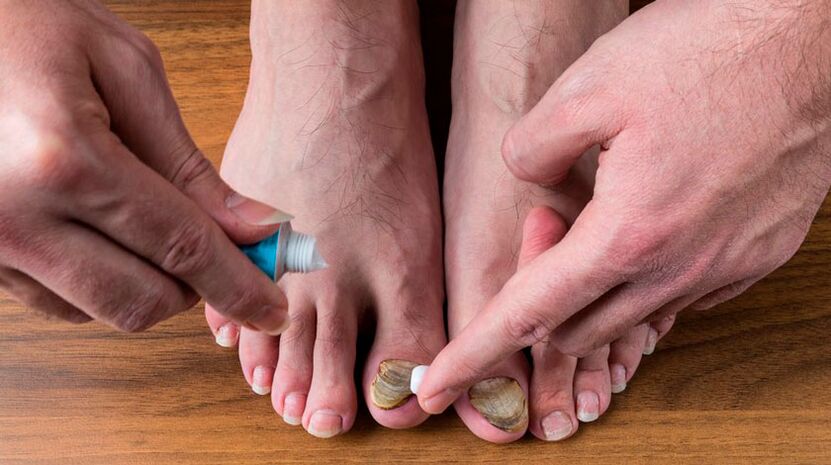
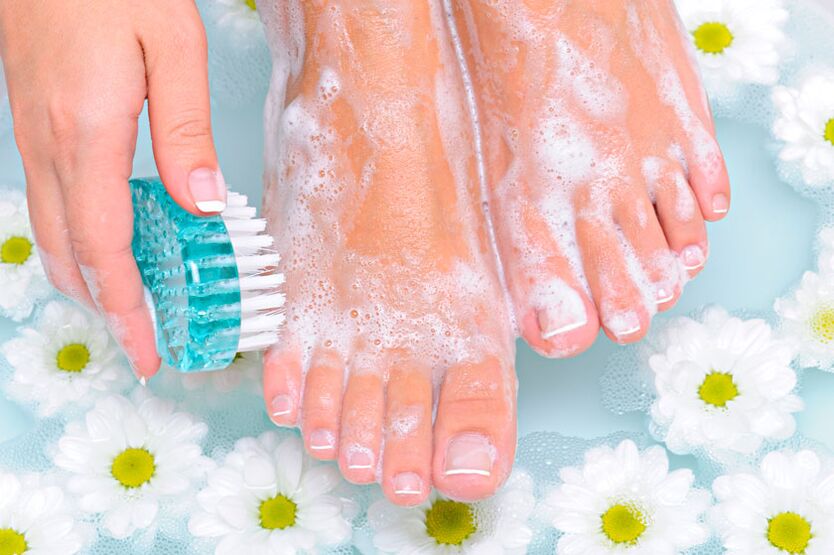
Unfortunately, problems like fungal infections of the nails and skin occur not only in adults, but also in children.Our grandmothers used the oldest and believed to be the fastest way to get rid of an infection - vinegar.A basin of water requires one cup of 9% vinegar.This bath kills fungal spores and prevents them from spreading.Keep in mind that this procedure can be very painful for areas with irritated or damaged skin.
Contrary to popular belief, spores not only affect the skin of the feet but can easily remain on the arms or other parts of the body.The sooner you take the most effective measures to care for the damaged parts of your body, the sooner you can heal.Fungal nail infections can be difficult to treat.If self-care strategies and over-the-counter products don't help, talk to your doctor.Treatment depends on the severity of your condition and the type of fungus causing your symptoms.It may take several months to see results.Even if the condition of the nail improves, it's not uncommon for the nail to become infected again.
Antifungal drugs are available both externally and orally.They are often preferred because they clear the infection faster than topical medications.These drugs work to speed up the growth of the nail plate and cause the affected portion of it to break away more quickly.Typically, it takes 6-12 weeks for the fungus to completely disappear.When healthy nails grow, the end results will be noticeable.In addition, the older the patient, the worse the treatment effect.Adults over 65 may need a longer recovery time and may need additional topical medications.
Oral antifungal drugs are not often used because they can cause various side effects.Therefore, if the disease is not advanced, then doctors will try external treatments.In order to determine the exact dosage of the drug, a blood test is recommended.Doctors may not recommend oral medications for people who have liver disease, heart failure, or are taking certain medications.After all, their common side effects are rash and liver damage.
Another way to get rid of this disease is antifungal nail polish.Apply it to the infected nail and surrounding skin once daily.After 7 days, wipe the applied layer with alcohol and start a new application.You may need to use this nail polish every day for almost a year.
Another treatment option is an antifungal cream, which must be applied to the infected nail after soaking.In order to improve the effectiveness of the cream, it is best to thin your nails first.A thinner layer will help the medication penetrate the fungus and destroy it.In this procedure, the cuticle is diluted with urea and then removed with a file or other instrument.
The most effective folk remedies
Homemade Vinegar Ointment
The most effective remedies to help eliminate fungus are vinegar and eggs.They are an excellent ointment that promotes tissue healing and softens the affected area of the nail.Place the raw eggs in a glass with vinegar and place in a dark cabinet until the essence dissolves the shells.Then you need to remove the film and mix together vinegar, oil and eggs.Apply ointment to the steamed legs and cover them with cellophane to create a bathhouse effect.The affected softened area is then removed and the ointment is applied again the next day.
garlic lotion
Garlic is a powerful natural antibacterial and antifungal agent.It helps eliminate fungal infections in the gentlest way even in advanced cases.Mix garlic juice and alcohol in a 1:1 ratio and dilute with distilled water.This lotion must be lubricated on all affected areas of the skin and nails overnight until the fungus is completely eliminated.This lotion is effective even in advanced cases.
mint compress
Peppermint is an excellent remedy for fungus.Peppermint contains essential oils that have been shown to be effective against fungi, giardia, and staphylococci.Traditional medicine holds that treating fungi with herbs is as effective as using ointments.To prepare a compress, it is best to use fresh plant leaves or essential oils.If prepared from fresh leaves, you need to grind mint with salt and apply it to sore nails.If the fungus is in an awkward spot on your arm or leg, it's best to immobilize it with a bandage.Essential oils are good for lubricating damaged areas.
copper sulfate ointment
Another popular method is to use copper sulfate to fight fungi and infections.It is part of many antifungal ointments but can also be used as a stand-alone remedy.If you do not have the opportunity to purchase ointment at a pharmacy, you can prepare your own.Make a base with tar or goose fat, and add a teaspoonful of sulfur and copper sulphate.Copper sulfate must first be heated in a frying pan until it turns white or gray.You will need to apply this ointment to the sore areas of your legs or arms every night.
Iodine fights onychomycosis
In an emergency, common iodine, readily available at home, will help deal with fungus.It's great for wounds, but few people know that just one drop of iodine can prevent the onset of fungal infections in the feet.This is the best treatment for the first signs of fungus on the nails.Apply it directly to your nail plate at night, then put on socks, and the iodine will be absorbed into your nails by morning.This process must be repeated for at least two weeks.
Prevent foot fungus
Remember, foot fungus can be prevented with folk remedies, so use vinegar or iodine if you suspect it.The following habits can help prevent onychomycosis or reinfection:
- Wash your hands and feet frequently.Wash your hands after touching an infected nail.Moisturize nails after washing.
- Trim nails evenly, smoothing edges with a file and filing away thicker areas.Disinfect nail clippers after each use.
- Wear sweat-wicking socks or change them throughout the day.
- Choose shoes made of breathable materials.
- Throw away old shoes or treat them with disinfectant and antifungal powder.
- Wear shoes in the pool area, locker rooms and common areas.
- Choose a nail salon that uses sterile manicure tools for every customer.
- Avoid polished and artificial nails.